
Experts in Modular Construction ERP Software
The ERP Built for Modular Construction Companies
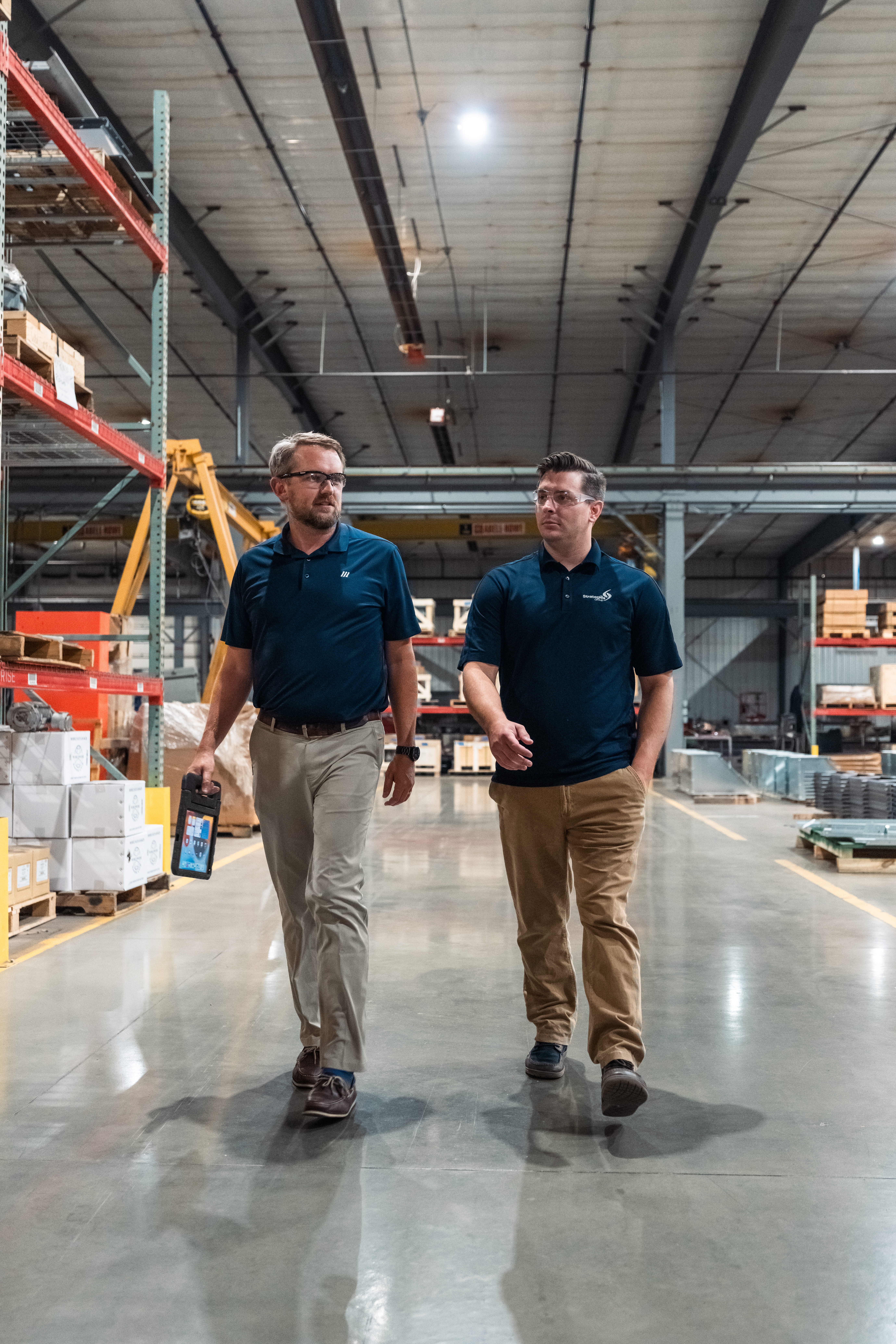
Connect Manufacturing, Construction, Inventory, and Service in One System
Modular construction is changing how buildings are designed, produced, delivered, and maintained. But for modular contractors, manufacturers, and prefab builders, growth can quickly expose a major challenge: disconnected systems.
When production, project management, inventory, accounting, and service all live in separate places, it becomes harder to forecast demand, control costs, manage materials, and protect margins. Modular construction requires both construction and manufacturing visibility, and many legacy ERP systems were not built to support both.
At Strategies Group, we help modular and prefab construction companies use Acumatica Cloud ERP to bring their operations together in one connected platform.
Strategies Group helps Modular Manufacturers and Contractors implement Acumatica Construction Edition, a modern construction ERP system that connects job costing, project management, accounting, procurement, and field operations into one unified platform.
What Is ERP for Modular Construction?
ERP for modular construction is software designed to help modular builders manage manufacturing, construction, inventory, purchasing, accounting, scheduling, and operations from a single platform.
Unlike traditional construction companies, modular contractors often function as:
- Manufacturers
- General contractors
- Distributors
- Service providers
This creates operational complexity that disconnected software systems cannot support efficiently.
According to Acumatica’s modular construction industry overview, companies without connected systems often struggle with forecasting demand, estimating production costs, managing material planning, and maintaining project budgets due to disconnected data and manual processes.
Strategies Group helps modular construction companies eliminate these silos with Acumatica ERP.
Why Modular Construction Companies Need Specialized ERP Software
Construction Project Management
Job Cost Accounting
Track labor, materials, equipment, subcontractors, overhead, and production costs in real time across every modular project. Modular construction companies need visibility into both factory and field costs to understand true project profitability and identify cost overruns before they impact margins.
WIP Reporting
Monitor work-in-progress (WIP) across manufacturing and construction operations to maintain accurate financial reporting and project visibility. Real-time WIP reporting helps leadership understand earned revenue, committed costs, percent complete, and projected profitability throughout the lifecycle of a modular project.
Cost Projections
Forecast project outcomes using live operational and financial data. By combining production costs, labor trends, procurement data, and field progress, modular companies can proactively identify budget risks, adjust timelines, and improve forecasting accuracy.
Change Management
Manage change orders, revisions, scope updates, and pricing adjustments throughout the project lifecycle. A connected ERP platform helps ensure changes made during design, production, or field installation are documented, approved, and reflected across budgets, schedules, purchasing, and billing.
Project Budgeting
Build and maintain detailed project budgets that align manufacturing production, procurement, labor, logistics, and field installation costs. Real-time budget visibility helps modular builders protect margins while maintaining control over rapidly changing projects.
Subcontract Management
Track subcontractor commitments, compliance documents, invoices, retainage, and performance from one centralized system. Modular projects often involve multiple trades and installation teams, making subcontract visibility critical for maintaining schedules and controlling costs.
Manufacturing Operations
Bills of Material (BOM)
Manage detailed bills of material for modular units, prefabricated assemblies, wall panels, volumetric modules, and custom components. ERP software helps modular manufacturers maintain accurate material lists, revisions, quantities, and production requirements throughout the manufacturing process.
Material Requirements Planning (MRP)
Automate material planning based on production demand, project schedules, inventory levels, and procurement timelines. MRP helps modular construction companies avoid shortages, reduce excess inventory, and ensure materials are available when needed for production and installation.
Production Scheduling
Coordinate factory production schedules with project timelines and field installation requirements. ERP-driven production scheduling improves resource allocation, labor planning, machine utilization, and manufacturing efficiency while minimizing delays.
Shop Floor Visibility
Gain real-time visibility into production progress, labor utilization, material consumption, bottlenecks, and manufacturing status directly from the shop floor. This helps operations teams make faster decisions and maintain tighter control over modular production.
Engineering Change Control
Track and manage engineering revisions, design updates, approvals, and manufacturing changes throughout the production lifecycle. Engineering change control helps ensure production teams are always working from the latest approved designs and specifications.
Production Costing
Capture and analyze production costs across labor, materials, overhead, equipment, and outsourced processes. Accurate production costing helps modular builders understand profitability by module, project, product line, or manufacturing facility.
Inventory and Warehouse Management
Material Tracking
Track raw materials, prefabricated components, assemblies, and finished modules across warehouses, production facilities, and job sites. Real-time material visibility helps reduce delays, improve coordination, and minimize lost inventory.
Lot and Serial Tracking
Maintain complete traceability for materials, components, and finished products using lot and serial tracking. This improves quality control, warranty management, compliance reporting, and issue resolution throughout the modular construction lifecycle.
Warehouse Visibility
Gain real-time insight into inventory quantities, warehouse locations, transfers, receipts, and material availability across multiple facilities. Warehouse visibility is critical for modular companies managing complex inventories and multiple production locations.
Inventory Forecasting
Use historical data, project schedules, purchasing trends, and production demand to forecast future inventory needs. Better forecasting helps modular construction companies optimize inventory levels while reducing shortages and excess carrying costs.
Purchasing Automation
Automate purchasing workflows, vendor management, approvals, replenishment, and procurement tracking. ERP-driven purchasing automation improves operational efficiency while helping ensure materials arrive on time for production and installation.
Logistics and Delivery Coordination
Module Transportation Planning
Coordinate transportation logistics for oversized modular units, prefabricated assemblies, and specialized equipment deliveries. ERP software helps modular companies manage routes, timing, permits, staging, and transportation costs more effectively.
Delivery Scheduling
Align production completion, inventory availability, shipping timelines, and job site readiness with delivery schedules. Real-time coordination reduces delays, minimizes downtime, and helps ensure smooth project execution.
Vendor Coordination
Manage suppliers, transportation providers, subcontractors, and logistics partners through a centralized platform. Better vendor coordination improves communication, accountability, procurement visibility, and supply chain reliability.
Site Delivery Workflows
Track module deliveries, field receipts, installation sequencing, and on-site coordination in real time. Connected delivery workflows help ensure materials and modules arrive at the right place, at the right time, and in the correct installation order.
Financial Management
Multi-Entity Accounting
Manage financials across multiple companies, divisions, production facilities, or operating entities from one ERP platform. Multi-entity accounting helps modular businesses consolidate reporting while maintaining visibility into each business unit.
AP and AR Automation
Automate accounts payable and accounts receivable workflows to reduce manual entry, accelerate approvals, improve invoice accuracy, and streamline collections. Automation helps modular companies improve efficiency and strengthen financial controls.
Cash Flow Reporting
Monitor cash flow across projects, production operations, purchasing, and entities in real time. Accurate cash flow reporting helps leadership make informed financial decisions and maintain operational stability during periods of growth.
Payroll Integration
Connect payroll, labor tracking, certified payroll, and workforce management directly to project and production costs. Integrated payroll improves labor visibility while reducing duplicate data entry and payroll processing complexity.
Real-Time Dashboards
Provide executives, operations leaders, project managers, and finance teams with live dashboards and reporting across manufacturing, construction, inventory, and financial operations. Real-time visibility allows faster decision-making and stronger operational control.
Download Our Modular Construction Solution Brief
As modular construction companies continue to scale, the complexity of managing manufacturing, construction, inventory, logistics, and field operations grows significantly. Many modular builders still rely on disconnected systems for accounting, production, project management, inventory, and procurement, creating operational silos that slow decision-making and limit visibility.
As production schedules, inventory demands, project coordination, and multi-entity operations become more advanced, disconnected technology becomes a liability. It’s time for modular construction companies to consider the advantages of a modern, connected ERP platform like Acumatica.
In this Solution Brief, modular construction companies will learn:
- How the modular construction industry is expected to grow in the coming years.
- Why traditional ERP and accounting systems struggle to support modular operations.
- How modular builders can connect manufacturing, construction, inventory, logistics, and financial operations in one platform.
- What resources are available to support digital transformation initiatives for modular and prefab construction businesses.
Get Our Solution Brief!
Why Acumatica for Modular Construction?
Modular construction companies operate at the intersection of manufacturing, construction, logistics, inventory management, and service. Most traditional ERP systems are built to support only one of those operational models, forcing modular businesses to rely on disconnected software, spreadsheets, and manual processes to bridge the gaps.
Acumatica is different.
Acumatica Cloud ERP provides a flexible, connected platform designed to unify financials, manufacturing, project management, inventory, purchasing, and field operations into one system. This gives modular construction companies real-time visibility across the entire lifecycle of a project, from estimating and production through delivery, installation, and ongoing service.
Instead of managing separate systems for accounting, manufacturing, project management, inventory, and operations, Acumatica allows modular businesses to centralize their data and workflows in one connected platform.
With Acumatica, modular construction companies can improve operational efficiency, strengthen collaboration, reduce delays, gain better visibility into costs and production, and create a more scalable foundation for long-term growth.
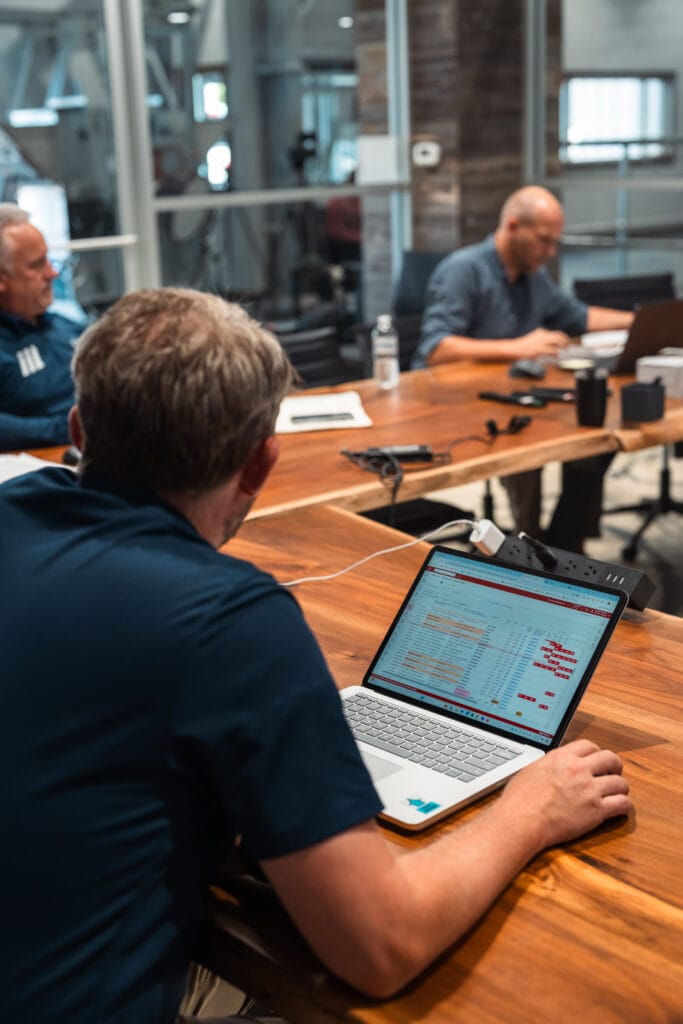
Improve Collaboration Across the Entire Business
Modular construction requires constant coordination between departments that traditionally operate independently. Engineering teams, production managers, project managers, accounting departments, warehouse staff, field teams, subcontractors, and leadership all rely on accurate and timely information to keep projects moving. Acumatica connects these teams through shared, real-time data. Instead of relying on disconnected spreadsheets, emails, or outdated reports, employees can access the same live operational and financial information from one centralized system.
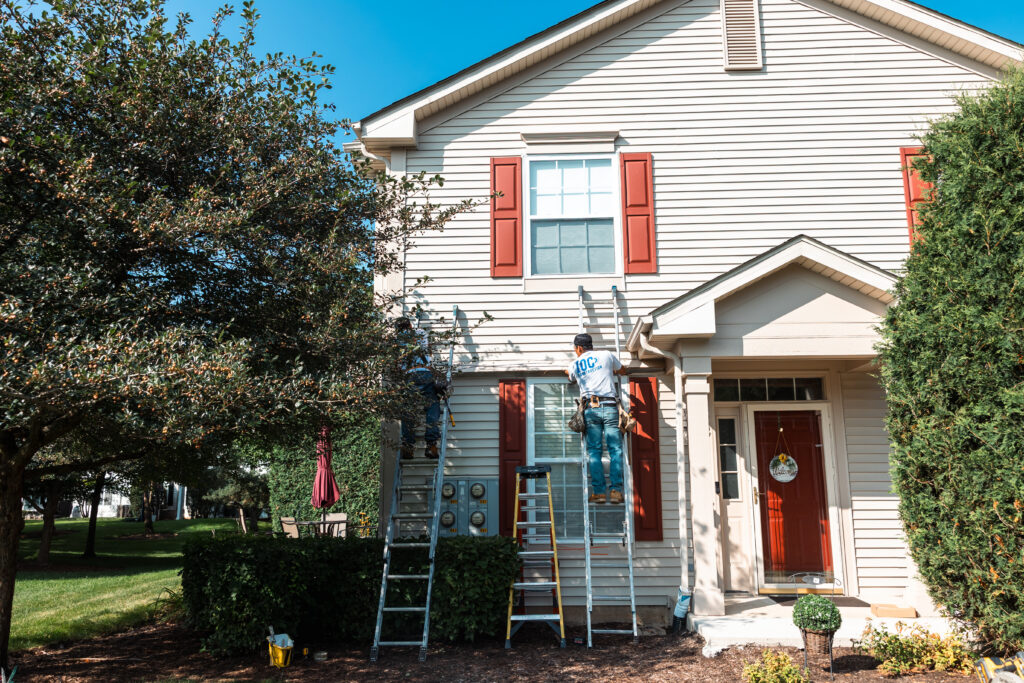
Speed Up Project Completion
One of the biggest advantages of modular construction is speed. However, that speed can quickly disappear when production schedules, purchasing, inventory, and field operations are disconnected. Acumatica helps modular construction companies streamline project execution by connecting production operations directly to project management and procurement workflows. By centralizing operations into one ERP platform, modular builders can improve coordination between factory production and field installation while maintaining tighter control over timelines and schedules.

Scale with Flexibility as Your Business Grows
Many modular construction companies experience rapid growth as demand for prefab and off-site construction continues to increase. Unfortunately, many legacy ERP systems struggle to support multi-entity operations, expanding production facilities, additional service offerings, or increasing operational complexity. Acumatica is designed to scale alongside growing businesses. Its flexible cloud architecture allows modular companies to add functionality and connected solutions as operational needs evolve. Acumatica’s open platform also supports low-code and no-code integrations, allowing modular construction companies to connect specialized applications without creating disconnected operational silos. This flexibility gives modular businesses a long-term ERP foundation capable of supporting growth, operational complexity, and changing market demands.
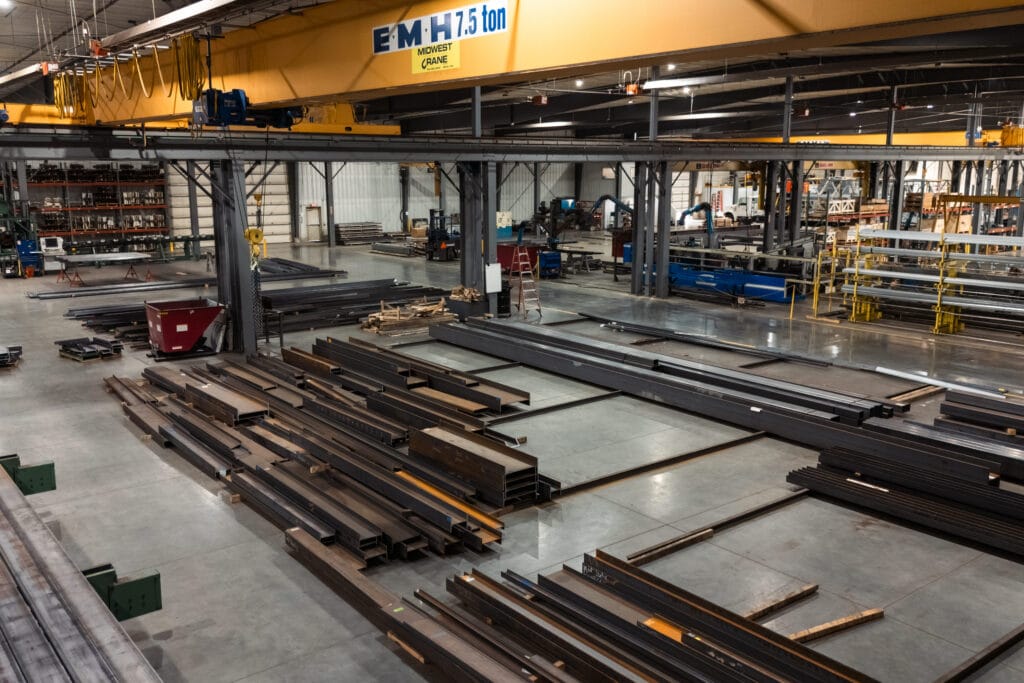
Strengthen Quality Control and Compliance
Quality control is essential in modular construction, where consistency, traceability, and compliance directly impact customer satisfaction, safety, and profitability. Acumatica provides modular construction companies with tools to improve quality management across manufacturing and field operations. These tools help modular companies maintain better control over production quality while supporting compliance requirements and reducing the risk of errors, rework, or warranty issues. Acumatica also supports engineering change control processes, helping ensure manufacturing teams are always working from the most current approved designs and specifications.
Schedule a Modular Construction ERP Consultation
Looking for the best ERP software for modular construction?
Strategies Group can help you evaluate whether Acumatica is the right fit for your modular construction business and operational goals.
Talk to our team about:
- Modular construction ERP software
- Manufacturing and construction integration
- Multi-entity ERP
- Inventory and production visibility
- Job costing and financial reporting
- ERP implementation for modular builders